
Key Takeaways
- Daily habits such as meal timing, sleep patterns, and physical activity can influence acid reflux symptoms
- Certain foods and drinks commonly consumed in Singapore may trigger reflux episodes
- Ongoing stress can affect digestion and worsen reflux symptoms
- Small, consistent lifestyle changes may help reduce discomfort over time
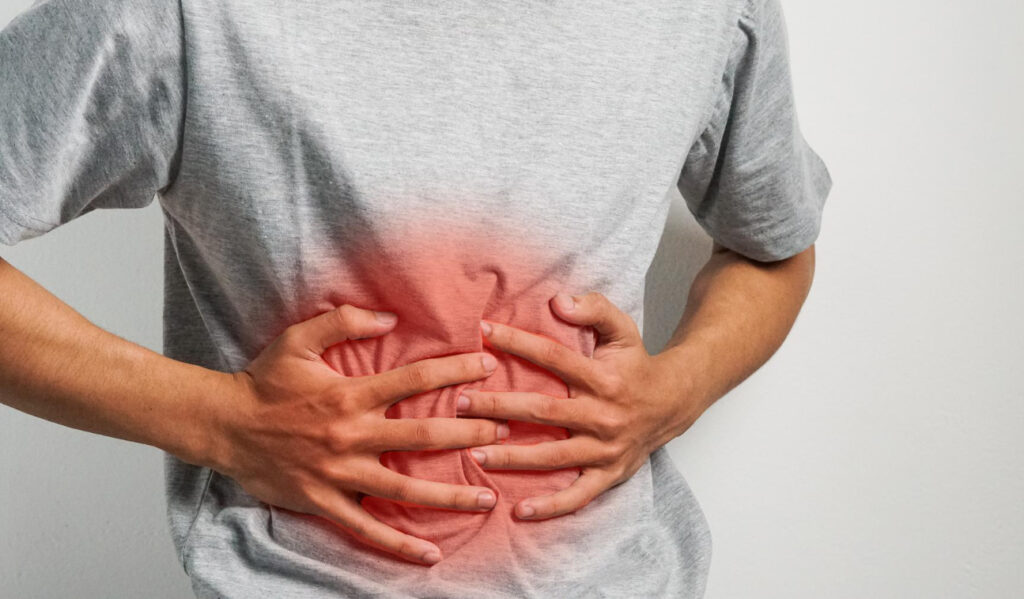
Acid reflux is a common digestive concern in today’s fast-paced lifestyle. While occasional symptoms may seem harmless, repeated discomfort can often be linked to everyday habits. Understanding the acid reflux causes related to lifestyle, diet, and stress can help you make informed adjustments before symptoms become persistent.
What Is Acid Reflux and Why Does It Happen?
Acid reflux occurs when stomach acid flows back into the oesophagus, causing symptoms such as heartburn, chest discomfort, or a sour taste in the mouth. This backflow is often linked to the relaxation of the lower oesophageal sphincter, a muscle that normally keeps stomach contents in place. While medical conditions may contribute, lifestyle and behavioural factors are among the most frequently discussed acid reflux causes in daily life.
How Can Lifestyle Habits Increase Acid Reflux Risk?
Modern routines can place unexpected strain on the digestive system.
Common lifestyle factors include:
- Eating large meals late at night, especially after long workdays
- Lying down soon after meals or sleeping without adequate head elevation
- Limited physical activity combined with prolonged sitting
- Smoking or regular alcohol consumption
Over time, these habits may increase pressure on the stomach, making reflux episodes more likely.
Which Dietary Choices Are Linked to Acid Reflux?
Diet plays a significant role in digestive comfort. Certain foods are known to relax the lower oesophageal sphincter or increase stomach acid production.
Frequently reported dietary triggers include:
- Spicy foods, oily dishes, and deep-fried items
- Caffeinated beverages such as coffee and strong tea
- Carbonated drinks and citrus-based juices
- Chocolate, mint, and rich desserts
Rather than eliminating all favourites at once, identifying personal triggers through mindful eating may be more sustainable.
Can Stress Really Affect Acid Reflux Symptoms?
Stress does not directly increase stomach acid, but it can alter how the body responds to it. During stressful periods, digestion may slow down, and sensitivity to discomfort can increase.
Stress-related behaviours may also contribute, such as:
- Skipping meals or overeating
- Increased caffeine or alcohol intake
- Disrupted sleep patterns
Managing stress can therefore play an indirect but meaningful role in addressing acid reflux causes.
What Practical Steps Can Help Reduce Acid Reflux?
Simple adjustments may help reduce symptom frequency:
- Eating smaller, more frequent meals
- Avoiding lying down for at least two to three hours after eating
- Maintaining a healthy body weight
- Practising stress-management techniques such as regular exercise or breathing exercises
If symptoms persist despite these measures, further assessment may be appropriate.
Frequently Asked Questions
- Is acid reflux the same as GERD?
Acid reflux refers to occasional symptoms, while gastro-oesophageal reflux disease (GERD) involves more frequent or ongoing episodes that may need medical assessment. - Can acid reflux occur even with a healthy diet?
Yes. Factors such as meal timing, portion size, stress and sleep habits can still trigger symptoms. - Does stress alone cause acid reflux?
Stress doesn’t directly cause reflux, but it can worsen symptoms and influence habits that contribute to it. - When should I see a doctor?
If symptoms are frequent, disturb sleep or don’t improve with lifestyle changes, a medical review may be helpful.
Looking for a suitable assessment in Singapore?
If acid reflux symptoms are affecting your daily comfort or quality of life, a personalised assessment can help identify contributing factors and suitable management options.
At KO Chan Ear Nose Throat Sinus and Sleep Centre, consultations focus on understanding symptoms within the context of lifestyle, diet, and overall health, helping individuals make informed decisions about their care. Going for a consultation will help you receive personalised advice and guidance on the next steps, particularly if self-care measures are no longer effective.