
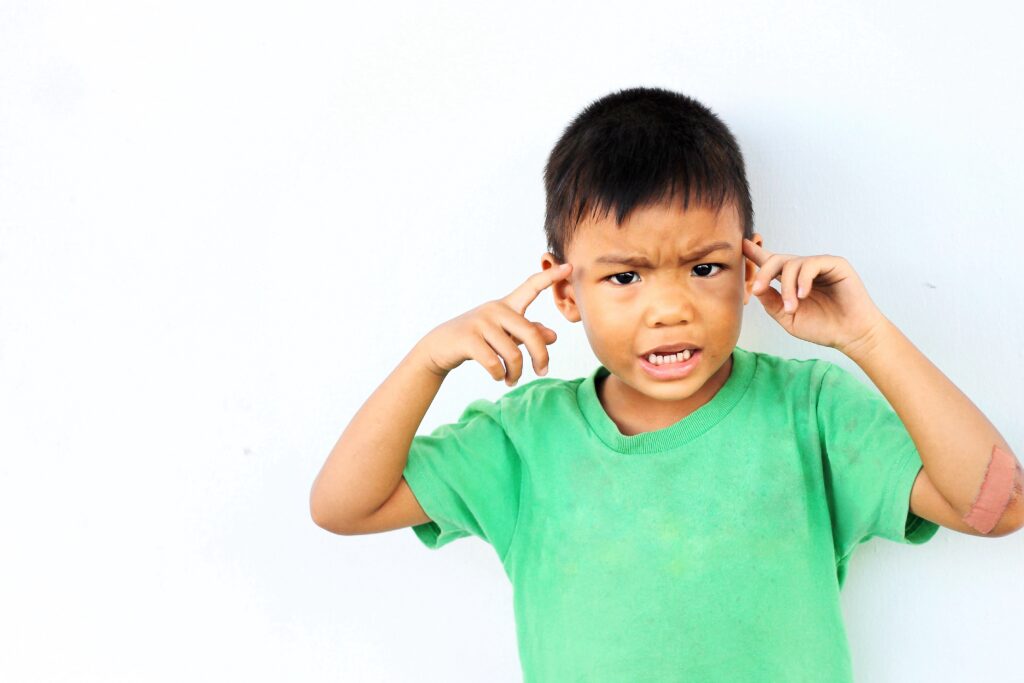
If your child keeps getting ear infections, you may be wondering- could this affect their hearing or even delay their speech? This is a common concern among parents and it is an important one to address early.
Key Takeaways
- Recurrent ear infections can temporarily reduce hearing in children.
- Ongoing fluid in the middle ear may affect speech and language development.
- Early assessment can prevent long-term complications.
- Most cases are manageable with timely medical evaluation and appropriate care.
What Are Ear Infections and Why Do Children Get Them So Often?
Ear infections in children usually involve the middle ear, the space behind the eardrum. They often occur after,
- Colds or upper respiratory infections
- Blocked Eustachian tubes
- Allergies
- Exposure to childcare environments
- Younger age, especially below 5 years old
Children are more prone because their Eustachian tubes are shorter and more horizontal, making it easier for fluid to accumulate. When fluid builds up, it can affect how sound travels through the ear.
How Are Ear Infections and Hearing Loss in Children Connected?
The link between ear infections and hearing loss in children is usually due to fluid in the middle ear. Here’s how it happens,
- Fluid prevents the eardrum from vibrating normally
- Sound signals become muffled
- Hearing may feel “blocked” or reduced
- This type of hearing loss is usually temporary i.e.conductive hearing loss
However, if infections are,
- Frequent
- Prolonged
- Left untreated
The repeated inflammation may increase the risk of more persistent hearing problems. In many children, hearing returns to normal once the infection or fluid resolves. But monitoring is important.
Can Temporary Hearing Problems Affect Speech Development?
Yes, especially in younger children who are still learning to speak. Speech and language development depends on,
- Hearing sounds clearly
- Recognising words
- Repeating and practising speech
If a child experiences reduced hearing for extended periods,
- They may mishear certain sounds
- Their pronunciation may be unclear
- They may have delayed vocabulary development
- Teachers may notice attention or learning difficulties
Not every child with recurrent ear infections develops speech delay, but persistent hearing issues during critical language-learning years can have an impact.
What Signs Should Parents Watch For?
Consider arranging an assessment if your child,
- Frequently says “huh?” or asks for repetition
- Turns up the television volume higher than usual
- Does not respond when called
- Has unclear speech compared to peers
- Shows delayed language milestones
- Complains of ear pain or fullness
Early evaluation allows timely management.
How Are Recurrent Ear Infections Managed?
Treatment depends on the individual child and severity. Options may include,
- Monitoring and review
- Medication when appropriate
- Hearing tests
- Assessment for persistent middle ear fluid
- In selected cases, minor procedures such as insertion of ventilation tubes
Management is tailored after proper examination and assessment.
FAQs
-
Are all ear infections serious?
Most ear infections in children resolve without long-term effects. However, frequent or prolonged infections should be reviewed to assess hearing.
-
How many ear infections are considered “recurrent”?
Generally, three or more episodes within six months, or four or more within a year, may be considered recurrent. A doctor can advise based on your child’s history.
-
Is hearing loss from ear infections permanent?
In most cases, hearing loss linked to middle ear fluid is temporary. Permanent complications are uncommon but can occur if issues are left untreated.
-
Should my child have a hearing test after repeated ear infections?
If infections are frequent or if you notice speech or listening concerns, a hearing assessment may be recommended to ensure normal auditory development.
When Should You Seek Medical Advice in Singapore?
If you are concerned about ear infections and hearing loss in children, early assessment provides clarity and reassurance. At KO Chan ENT Sinus & Sleep Centre, children with recurrent ear infections can undergo appropriate evaluation, including ear examination and hearing assessment, where necessary.
Prompt attention may help reduce the risk of longer-term hearing or speech concerns. If your child has been experiencing repeated ear infections or speech delays, consider arranging a consultation for a proper evaluation and discussing your child’s symptoms with a qualified ENT specialist.